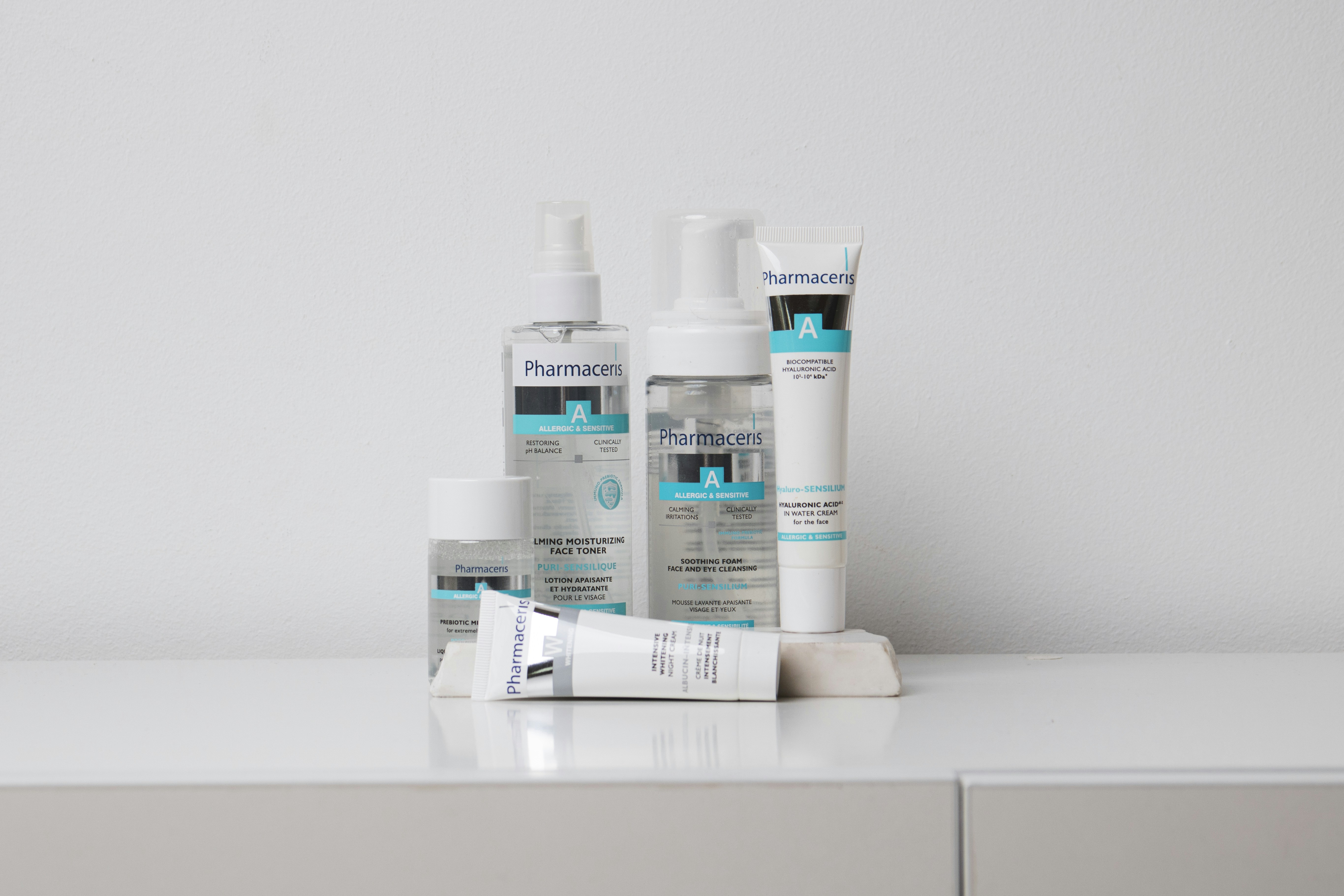
The Best 5 Malassezia-Safe Moisturizers for Seborrheic Dermatitis

Understanding Seborrheic Dermatitis and Malassezia

Seborrheic dermatitis is a common inflammatory skin condition characterized by red, flaky, and greasy patches, often accompanied by itching or discomfort. This condition can appear on various parts of the body, most notably on the scalp, face, and areas where sebaceous glands are more active, such as the chest and back. While seborrheic dermatitis can affect anyone, it is particularly prevalent in infants, adolescents, and adults aged 30 to 60 years.

The exact cause of seborrheic dermatitis is not fully understood. However, multiple factors contribute to its development, including genetic predisposition, hormonal changes, and environmental influences. One crucial factor that has been identified is the presence of Malassezia yeast, a type of fungus that is naturally found on the skin. In individuals with seborrheic dermatitis, this yeast may proliferate, leading to increased skin irritation and inflammation. The overgrowth of Malassezia can cause the skin’s immune response to become heightened, further exacerbating the symptoms associated with the condition.

Choosing the right moisturizers is vital for managing seborrheic dermatitis effectively. Individuals affected by this skin disorder need to select products that are explicitly labeled as Malassezia-safe, as certain ingredients can worsen symptoms or trigger flare-ups. Effective moisturizers that do not promote the growth of Malassezia can help restore the skin’s natural barrier, reduce dryness, and provide relief from discomfort. By incorporating the appropriate moisturizing products into their routine, individuals can help maintain skin hydration, promote healing, and achieve a healthier complexion.

Criteria for Choosing Malassezia-Safe Moisturizers

When selecting moisturizers for individuals with seborrheic dermatitis, it is essential to prioritize products that are specifically formulated to be safe for Malassezia, the yeast implicated in this skin condition. One of the key criteria is to thoroughly review the ingredient list. Look for moisturizers that exclude certain oils known to exacerbate seborrheic dermatitis symptoms. Particularly, moisturizing products should avoid esters and fatty acids, as these ingredients can fuel the proliferation of Malassezia yeast, potentially worsening the condition.

In addition to avoiding certain oils, it is crucial to select moisturizers that are labeled as non-comedogenic. Non-comedogenic products are less likely to clog pores, which can be particularly beneficial for those suffering from seborrheic dermatitis. Clogged pores can lead to increased inflammation and irritation, making non-comedogenic formulas a better option to help maintain skin health.

Furthermore, opting for moisturizers with a lightweight texture or gel-based formulations can offer hydration without overwhelming the skin. These types of moisturizers are often better suited to individuals with oily or combination skin types, as they can provide moisture without contributing to excess oil production. Ingredients such as hyaluronic acid and glycerin are effective for hydration while being gentle on the skin. It is advisable to steer clear of heavy creams or thick ointments that may worsen the condition.

Lastly, it is beneficial to seek out products that enhance the skin barrier without introducing irritants. Look for ingredients that support skin barrier function and are free from common irritants such as fragrances and alcohol. By adhering to these guidelines, individuals can make informed decisions when selecting moisturizers that are suitable for their unique needs associated with seborrheic dermatitis.

Top 5 Recommended Malassezia-Safe Moisturizers

Choosing the right moisturizer when dealing with seborrheic dermatitis can be challenging, especially considering the specific needs related to Malassezia. Below, we present five highly recommended moisturizers available on Amazon US that are formulated safely for those with this condition.

1. Vanicream Moisturizing Skin Cream
This cream is ideal for sensitive skin and free from common irritants. It contains no added fragrances, dyes, or preservatives, making it a top choice for those with seborrheic dermatitis. Key ingredients include petrolatum, which provides hydration without promoting fungal growth. This product is suitable for all skin types.

2. EltaMD Moisturizer
EltaMD provides a lightweight and non-greasy formula that hydrates without clogging pores. Its main ingredient, hyaluronic acid, attracts moisture, making it perfect for oily or combination skin types. This moisturizer is also fragrance-free, reducing the risk of irritation.

3. CeraVe Moisturizing Cream
CeraVe is known for its inclusion of essential ceramides that help restore the skin barrier. This creamy formulation, enriched with hyaluronic acid, keeps the skin hydrated without aggravating seborrheic dermatitis. It’s suitable for dry to very dry skin types and is fragrance-free.

4. La Roche-Posay Toleriane Double Repair Moisturizer
This moisturizer helps to restore skin’s natural barrier while providing hydration. It contains prebiotic thermal water, which is beneficial for maintaining a balanced skin microbiome. Free from oil and fragrance, it is well-suited for sensitive skin, particularly for individuals managing seborrheic dermatitis.

5. Neutrogena Hydro Boost Gel-Cream
Neutrogena’s Hydro Boost features a unique gel-cream texture that delivers intense hydration while absorbing quickly. Formulated with hyaluronic acid, this product is beneficial for oily and combination skin types and is free from fragrances and oils. It aids in maintaining moisture without triggering seborrheic dermatitis flare-ups.

In conclusion, these moisturizers not only provide the necessary hydration but are carefully selected for their compatibility with Malassezia, ensuring that they can be safely used by individuals dealing with seborrheic dermatitis.

Tips for Using Moisturizers with Seborrheic Dermatitis

Incorporating moisturizers into a skincare routine for seborrheic dermatitis requires a thoughtful approach to ensure maximum efficacy and comfort. First and foremost, it is crucial to choose moisturizers formulated without Malassezia-triggering ingredients, as these can exacerbate the condition. Look for products labeled as suitable for sensitive skin, ideally those that contain non-comedogenic substances.

When applying moisturizer, timing is key. The best practice is to apply the moisturizer shortly after cleansing the face, as this helps to lock in moisture when the skin is still slightly damp. Gently pat the skin dry with a soft towel before application; avoid rubbing, which may lead to irritation. Use clean hands to apply a dime-sized amount of moisturizer and gently massage it into the skin using upward motions. This not only aids absorption but also promotes better blood circulation.

Frequency of use can vary based on individual skin needs. Start by applying the moisturizer twice daily—once in the morning and once at night. Observe how your skin responds, and adjust the frequency as necessary. If irritation occurs, it may be beneficial to reduce the applications to once daily or even every other day until the skin stabilizes. For best results, always monitor the condition of your skin; if stability improves, you may gradually increase applications.

It is also advisable to complement the use of moisturizers with a gentle skincare regimen. Avoid harsh cleansers that can strip the skin of its natural oils. Instead, opt for hypoallergenic, sulfate-free cleansers that maintain the skin’s moisture barrier. Incorporating a humidifier into your living space, especially in dry climates, can provide added moisture to the air, benefiting your skin’s hydration levels.

Implementing these strategies will help create a well-rounded skincare routine tailored for those managing seborrheic dermatitis, ultimately leading to healthier, more resilient skin.